Instructor Qualifications & Training

Instructor Qualifications

Our Instructors create an engaging atmosphere for every student! To be a Safe Sitter® Instructor you must:

  • Be current in a CPR course that requires a minimum of a skills performance test in infant and child CPR.
  • Have access to infant and child CPR Manikins.
  • Be at least 18 years old with a high school diploma or equivalent, and 2 years of experience in health care, child care (including parenting), or youth work.
  • Enjoy teaching young teens and being a role model.
  • Commit to teaching at least one course per year.
  • Complete Safe Sitter® Instructor training.

All programs by Safe Sitter® have required course materials and participant materials. For pricing and additional information, please visit Safe Sitter® Programs.

ONLINE INSTRUCTOR CERTIFICATION

Online Instructor Certification can be completed in about 4 hours. The training is self-paced and includes a review of key concepts, teaching tips for each section, and videos to guide you through the curriculum.

Each new Instructor will receive:

  • Access to the Safe Sitter® online Instructor training course
  • Instructor Resources login credentials
  • Instructor Manual to use as a guide when teaching
  • Safe Sitter® Instructor Tote Bag
A young woman taking notes sitting in front of a computer
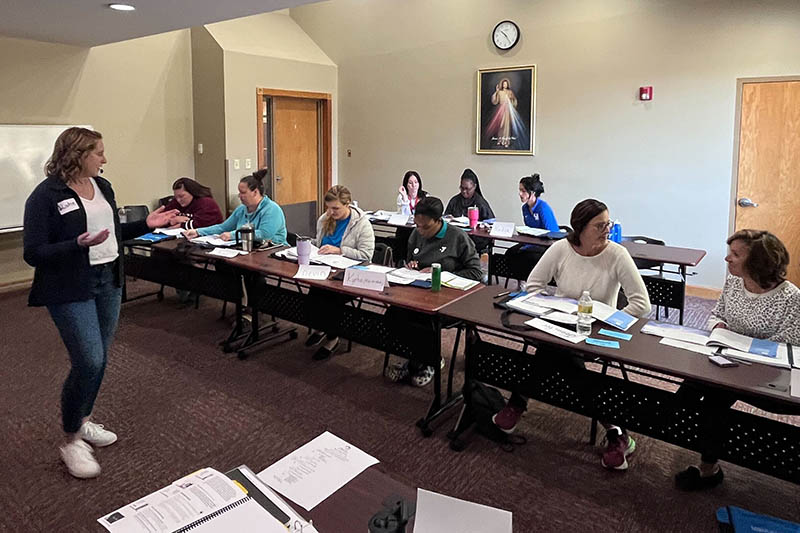
Safe Sitter instructor training workshop

WORKSHOP INSTRUCTOR CERTIFICATION

Safe Sitter® Providers with five or more Instructors to train qualify for a live workshop. The training is conducted in-person by Safe Sitter® Program Support Specialists. Workshop training allows Instructors to expand their training, ask questions, and learn from program experts.

The training includes a review of key concepts and teaching tips for each section. Each new Instructor will receive:

  • Instructor Resources login credentials
  • Instructor Manual to use as a guide when teaching
  • Safe Sitter® Instructor Tote Bag

Frequently Asked Questions

I work for a Safe Sitter® Provider. How do I train additional instructors?

If you are a Site Coordinator with a Safe Sitter® Provider and wish to train additional Instructors, please visit the Order Form in Instructor Resources. If you need to update the Site Coordinator at your organization, please complete our Site Coordinator Change form. 

Safe Sitter® Instructors with qualified organizations are now eligible to register additional Instructors for training at any time. An Instructor training fee will apply. Qualified organizations include:

  • Government agencies
  • Nonprofit organizations with an Independent Board of Directors
  • Legal entities (C-Corp, S-Corp, LLC, LLP, or Partnership) registered with your Secretary of State as active and provide proof of general liability insurance.

If you originally registered with Safe Sitter® as an Independent Instructor, meet the business requirements above, and wish to upgrade your account to train additional Instructors, please complete our Provider Status Change form.

What do I do if I don’t have access to CPR manikins?

CPR manikins are required when teaching the choking rescue and CPR portions of the Safe Sitter curriculum. Instructors are not required to teach CPR, but they are required to teach choking rescue and manikins are needed for rescue skills practice. One infant and one child manikin is required for every 6-8 students but it is best if each student has a manikin. You may purchase manikins or borrow them from a community partner.

What do I do if I am not certified in CPR?

CPR Training is NOT included in Safe Sitter® Instructor Training. Safe Sitter® Instructors must maintain a certification in any CPR course that requires a minimum of a skills performance test of infant and child CPR such as Heartsaver® CPR AED (American Heart Association). Visit the American Heart Association website to find a CPR class near you.

Is there a limit to how many students can be in a course?

There will be a ratio of no more than 8 students for each adult Instructor in all sections of the course designated as small group sections (diapering, choking rescue, and CPR), unless the Instructor receives a written waiver from Safe Sitter, Inc.

How long is Safe Sitter® Instructor training certification valid?

Safe Sitter® Instructors must offer at least one course per year to maintain an active status. Classes that are cancelled for low enrollment will not satisfy this requirement.

Safe Sitter, Inc. updates curriculum every five years to stay in accordance with guidelines from the American Heart Association and American Academy of Pediatrics. All Safe Sitter® Instructors will be required to complete an online training to update to the new curriculum. There may be a fee associated with updated Instructor or course materials.

How do I sign into the Instructor Training platform?

If you are an Instructor who already has a training account, click here to sign in to the training platform.

If you are a new Instructor who has not yet set up a training account, check your inbox for the training invitation email and follow the directions given to set up an account.

Please note: Instructor Training is only available to Instructors that have been registered with Safe Sitter, Inc National Headquarters.

Summary

  • To become a Safe Sitter® Instructor you must be at least 18 years old with a high school diploma, hold a current CPR certification that includes infant and child skills practice, have access to CPR manikins, and commit to teaching at least one course per year.
  • Online Instructor Certification is self-paced and can be completed in about four hours. It includes a review of key concepts, teaching tips, and videos to guide you through the curriculum.
  • Organizations with five or more Instructors to certify may qualify for a live in-person workshop conducted by Safe Sitter® Program Support Specialists.
  • Safe Sitter® Instructors are not required to be CPR Instructors.
  • The student-to-Instructor ratio for skills practice sections is no more than 8 students per Instructor.
  • Instructor Certification remains active as long as at least one course is taught per year.