Helping Park and Recreation Departments Expand Youth Development Programming

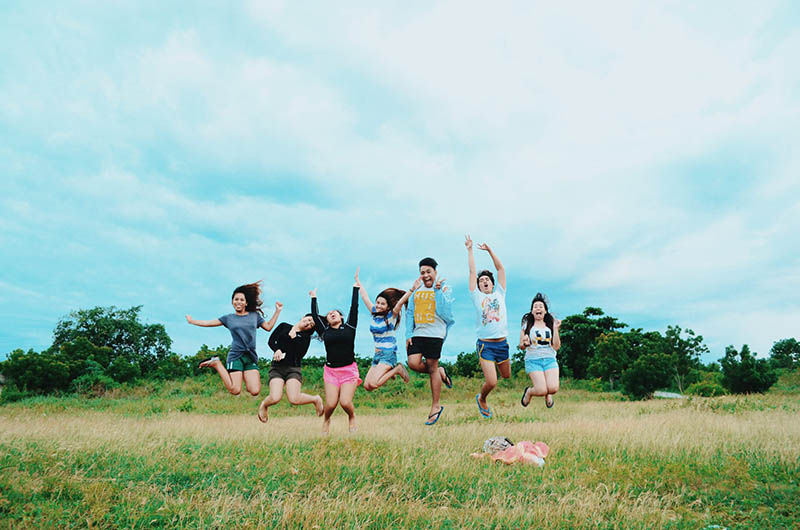
A group of six young people is captured mid-air as they jump together in an open grassy field. They are dressed casually in shorts and t-shirts, with expressions of excitement and joy. The background features lush green trees and a cloudy sky.

As a park and recreation professional, you know the youth in your community engage with your facility and programming for one purpose: to have fun! As a community leader, you want programs that help youth develop the skills needed to transition into adulthood. Finding programs that develop life skills that are also interesting and engaging doesn’t have to be as challenging as Leslie Knope’s task of filling “the pit.”

Safe Sitter® programming reaches students in grades 4-8, an often overlooked group in youth development. Young teens are valuable resources who can contribute meaningfully to your community. By investing in programs that equip them with practical skills, you help them transition more successfully into adulthood.

Safe@Home: Grades 4-6

Young teens need to feel safe and want to learn skills that enable them to function in their daily lives. Safe@Home, a 90-minute program for students in grades 4-6, teaches students how to practice safe habits, prevent unsafe situations, and respond to emergencies such as power failures or severe weather. In addition, students also learn how to use the Safe Sitter® First Aid Chart and develop a system for assessing and responding to injuries and illnesses.

Safe@Home

Taught by : Adult Facilitator, Safe Sitter® Instructor
Duration : 90 minutes
Participant Age : Grades 4-6
More Detail

Safe Sitter® Babysitting Course: Grades 6-8

As teens enter middle school, they are often asked to care for younger siblings. Sooner or later, these responsibilities lead them to begin babysitting for family friends. Safe Sitter® Babysitting Course is a modular course that equips students with the skills needed to safely care for younger children.

  • Safety Skills: Students learn how to prevent unsafe situations and how to handle emergencies like power failures or severe weather.
  • Child Care Skills: Students learn strategies to manage behavior to help them stay in control of themselves and the children in their care. Students also learn the ages and stages of child development and practice diapering.
  • First Aid & Rescue Skills: Using CPR manikins, students observe and demonstrate choking rescue for infants and children. They also learn how to assess and respond to injuries and illnesses. (CPR is available as an optional module.)
  • Life & Business Skills: Students practice screening jobs, discussing fees, and greeting employers through role-playing activities, setting them up for future success.

Developed by a pediatrician, the Safe Sitter® Babysitting Course engages middle school students with activities like diapering and choking rescue, often their favorite part. Most students have only seen adults complete these skills, and students are eager and engaged to master these skills.

There're no item that match your search criteria. Please try again with different keywords.

Grandparents: Getting Started

Mature adults can benefit from Safe Sitter® programming through Grandparents: Getting Started. This program teaches grandparents how to provide safe care for their grandchildren. Participants learn how to safely care for infants and children, as well as manage behavior and practice life-saving skills such as choking rescue, first aid, and injury management.

Grandparents: Getting Started

Taught by : Safe Sitter® Instructor
Duration : 3 hours
Participant Age : Adult Participants
More Detail

All Safe Sitter® programs are interactive, with discussions, role-playing activities, games, and skills practice that reinforce key concepts and make learning fun. To start teaching young teens and new grandparents the skills they need to safely care for infants and children, apply now!

Summary

  • Park and Recreation departments are well-positioned to offer Safe Sitter® programs — reaching grades 4–8, a group that's often overlooked in youth development programming.
  • Safe@Home is a 90-minute program for grades 4–6 that teaches students to practice safe habits, prevent unsafe situations, and respond to emergencies — no Instructor Certification required.
  • The Safe Sitter® Babysitting Course prepares grades 6–8 students to safely care for younger children through interactive games, role-playing activities, and hands-on skills practice.
  • Grandparents: Getting Started is a 3-hour program for adults that covers safe infant and child care, behavior management, and life-saving skills like choking rescue and first aid.
  • All Safe Sitter® programs are interactive and engaging — designed to make learning fun while building practical, real-world skills young people can use right away.

Related Articles

A group of six people joyfully jumping in the air with arms raised in an open field. They are wearing casual summer clothes, and the sky above is cloudy. Lush greenery surrounds the area, creating a cheerful outdoor scene.

Helping Park and Recreation Departments Expand Youth Development Programming

Park and Rec programs are built around fun — but Safe Sitter® proves life skills...
Read More
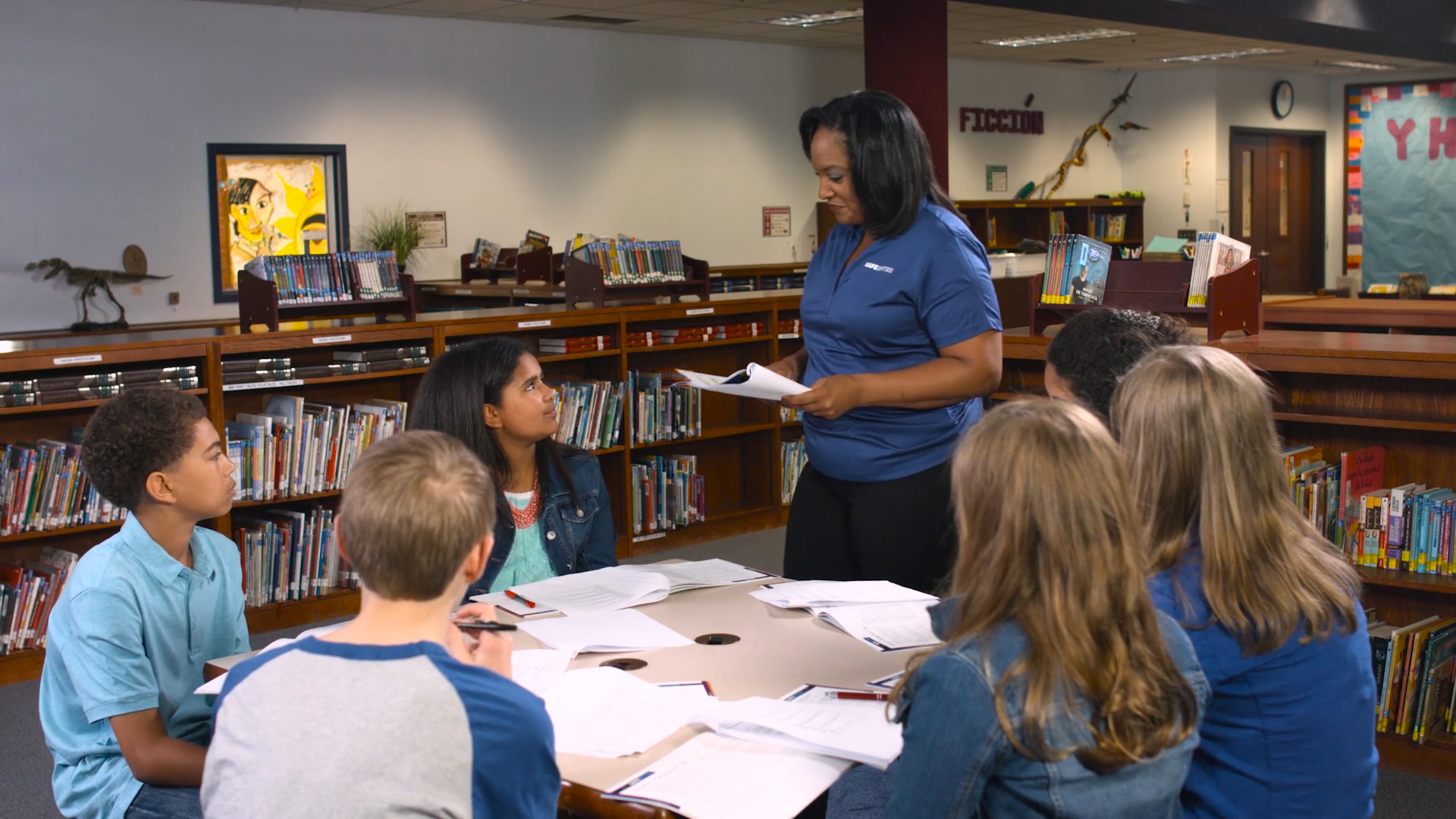
Safe Sitter Instructor teaching a group of 6 students at a round table in a library.

Babysitting Instructor Certification without CPR Instructor Certification

You don't need to be a CPR Instructor to teach babysitting safety. Safe Sitter® Instructor...
Read More
A young woman with long brown hair and a light blue blouse sits in the foreground, smiling at the camera. In the background, a group of children is gathered in a casual learning environment, sitting on colorful bean bags and engaging in conversation. The room has large windows with a cityscape visible outside.

How the Safe Sitter® Curriculum Works for Family and Consumer Science Teachers

The Safe Sitter® curriculum is modular in design and can be taught in one day...
Read More

SEND US A QUESTION

    Your Name

    Your Email (required)

    Confirm Your Email (required)

    City and State

    Subject

    Your Message