Providing life skills, safety skills, and child care training in order to build safer communities.

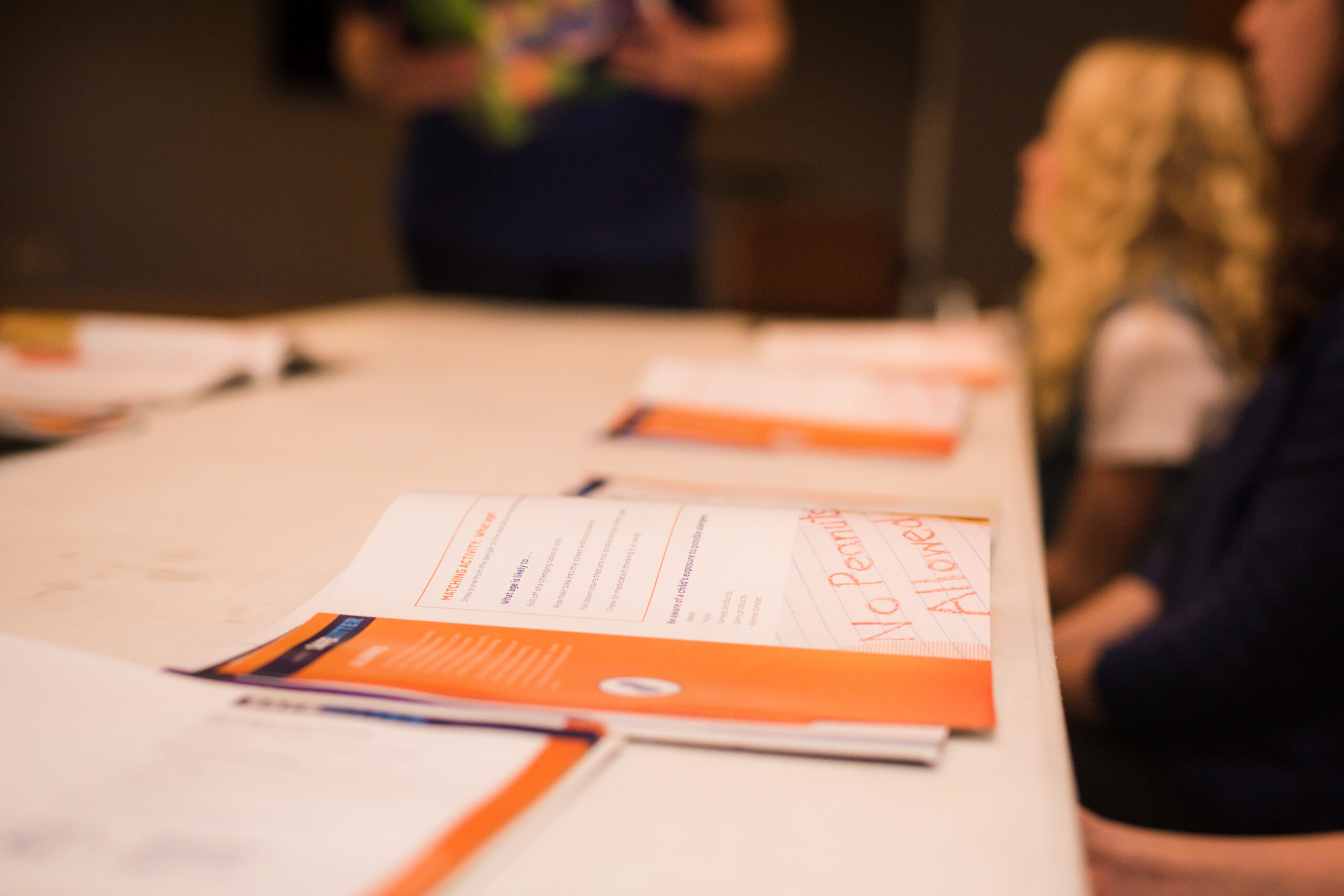
Teaching a babysitting safety class increases the number of individuals in the community who are trained and prepared to respond to emergencies. Safe Sitter® began because of a tragedy: the accidental death of a nurse’s young child while in the care of an unprepared babysitter. Building safer communities is our mission, and it drives us to create programs that teach life-saving skills in an engaging and meaningful way.
One unique aspect of the Safe Sitter® curriculum is that first aid is taught with an injury management system that is developmentally appropriate for students in this age group (grades 6-8). Students are taught to assess an illness or injury and determine whether they can handle it themselves, if they need to call a back-up adult, or if they need to call 9-1-1 because the injury is a threat to life. The same triage system is used in behavior management as well: students determine what behavior they can handle themselves, what behavior will require help from a back-up adult, and what behavior is so dangerous that it is a threat to life and requires an emergency call to 9-1-1.
The scenarios in the curriculum aren’t just for babysitters. Most children stay home alone before they begin babysitting, and many babysitters watch their younger siblings before they begin babysitting for others. The Student Handbook is intentionally written to follow that natural progression. The curriculum begins with instruction on safety skills before moving on to child care and first aid.
Safe Sitter® students are taught child care skills through the lens of age and developmental stage. Students learn about each age group so that they know what to expect when babysitting infants, toddlers, preschoolers, or school-age children.
The Life & Business Skills section of the curriculum prepares students to take any job – not just babysitting. It focuses on being prepared, responsible, and considerate. Throughout the course, students are instructed to check with their parents, ask permission, and communicate with their family.
The Safe Sitter® curriculum works best for this age group (grades 6-8) because it is written specifically for them. Since 1980, Safe Sitter® has been a leader in creating curriculum to teach children how to stay home alone safely, watch younger brothers and sisters, and babysit. The staff, board of directors, medical director, and advisors across the country are dedicated to creating programs that are best for students.
See for yourself! Check out a sample of the curriculum or apply to become a certified Safe Sitter® Instructor